
Please note: HBOT at Champagne Hyperbarics is covered by OHIP for most conditions. All patients undergo a physician-supervised medical assessment before treatment begins.
When you are first prescribed Hyperbaric Oxygen Therapy (HBOT), one of the most natural questions is: how long does treatment take? Patients want to understand what the process looks like and how many sessions may be needed before they begin to see results.
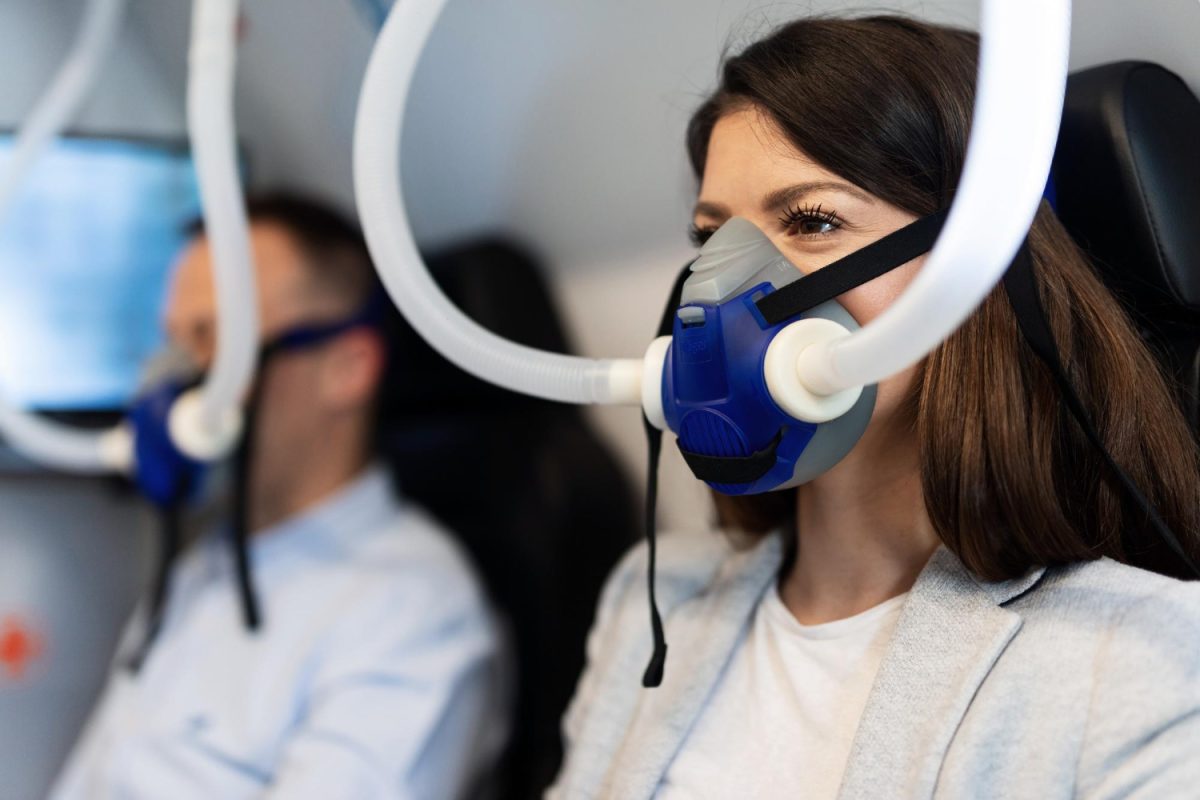
HBOT works by supporting the body’s natural recovery processes. During each session, you breathe 100% oxygen inside a pressurized chamber, which allows a significantly greater amount of oxygen to be carried through the bloodstream to injured or oxygen-deprived tissue.
Because healing is a biological process that unfolds over time, HBOT is typically delivered as a series of sessions rather than a single procedure. This structured approach allows the body to progressively restore circulation, repair tissue, and normalize oxygen levels.
At Champagne Hyperbarics in Toronto, we work with each patient to develop a personalized treatment plan based on their condition, recovery goals, and how they respond to therapy. Understanding the general structure of an HBOT schedule can help patients feel informed and prepared.
Why HBOT Is Delivered Over Multiple Sessions
Healing is a process, and HBOT supports that process incrementally. Each session helps the body:
- Deliver more oxygen to injured tissue
- Stimulate the formation of new blood vessels (angiogenesis)
- Reduce inflammation and swelling
- Support immune system function
- Encourage tissue repair and cellular regeneration
These biological changes do not occur after a single treatment. Instead, each session builds on the last, progressively creating the conditions the body needs to heal. This is why HBOT is structured as a course of treatments delivered over several weeks.
What a Typical HBOT Schedule Looks Like
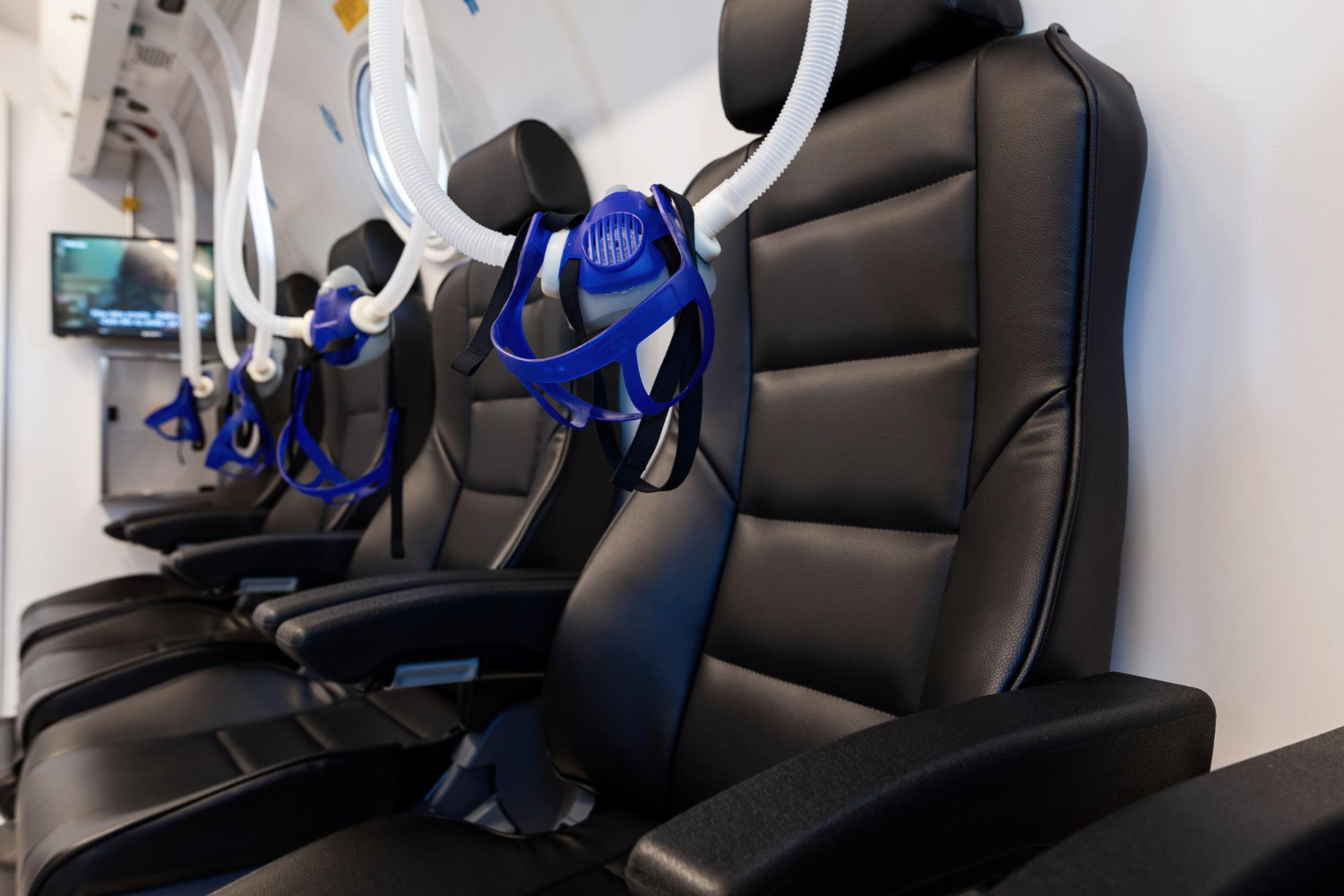
Most hyperbaric oxygen therapy sessions last approximately 90 to 120 minutes. Patients typically receive treatments:
- 5 days per week
- Over several weeks, depending on the condition being treated
This schedule provides a consistent oxygen stimulus while allowing tissue to rest and respond between sessions. Some patients have individualized schedules that differ from this standard, based on physician assessment and their specific medical circumstances.
How Many Sessions Are Typically Required?
The number of sessions varies based on the condition being treated, its severity, and how an individual patient responds. The following ranges reflect general clinical guidelines from the Undersea and Hyperbaric Medical Society (UHMS) and are provided for informational purposes. Your treating physician will determine the appropriate plan for you.
Chronic Wounds or Diabetic Foot Ulcers
Chronic wounds often develop because insufficient blood flow prevents tissue from receiving adequate oxygen. HBOT may support wound healing by improving oxygenation and stimulating new blood vessel formation. Based on UHMS clinical guidance, treatment courses typically range from 40 to 60 sessions. Patients may begin to notice gradual wound improvement during this period, though individual outcomes vary.
Radiation Tissue Damage
Radiation therapy can sometimes damage healthy surrounding tissue and reduce blood flow to the treatment area. HBOT may help restore oxygen levels and support the body’s repair processes in affected tissue. Based on clinical guidelines, treatment courses for radiation-related tissue injury typically range from 40 to 60 sessions. The appropriate number will depend on the extent of damage and the physician's assessment.
Sudden Sensorineural Hearing Loss
HBOT may be used as part of a treatment approach for sudden sensorineural hearing loss, particularly when combined with steroid therapy. Based on clinical evidence, treatment courses typically range from 10 to 20 sessions. Early referral is generally associated with better outcomes.
What Patients May Notice During Early Treatments
Healing often happens gradually and subtly. During the first several sessions, the body begins responding to increased oxygen delivery. Some patients report:
- Reduced swelling in the treated area
- Early signs of wound improvement
- Improved circulation
- Decreased discomfort
For many patients, changes during initial sessions are subtle and build cumulatively over the course of treatment. Individual responses vary and cannot be guaranteed in advance.
Why Consistency With Treatment Matters
Because HBOT works incrementally, consistency is important. Each session reinforces the therapeutic effect of the previous one. Missed sessions or early discontinuation may reduce the progress the body is making. At Champagne Hyperbarics, we work with patients to build a treatment schedule that supports recovery while fitting their daily lives.
How Physicians Monitor Progress
Hyperbaric therapy is physician-supervised throughout. Your care team will regularly assess how you are responding to treatment as needed, usually every 10 sessions. This may include:
- Evaluating wound healing progress
- Assessing changes in symptoms
- Reviewing tissue health and circulation
- Adjusting the treatment plan as needed based on clinical response
Because every patient heals differently, treatment plans are individualized and may be modified as you progress.
What Happens After a Course of HBOT?
Biological processes triggered by HBOT — including new blood vessel formation and improved oxygen delivery — may continue to support tissue repair even after your sessions are complete. Many patients experience continued improvement in the weeks following their treatment course. This does not eliminate the need for follow-up with your referring physician.
Some patients may notice:
- Continued wound healing progress
- Reduced pain or inflammation over time
- Improved tissue health
- Better recovery following injury or surgery
Care You Can Trust at Champagne Hyperbarics, Ontario
We understand that starting a new treatment comes with questions. Our team is committed to making the process as transparent and comfortable as possible. We provide:
- Thorough, physician-supervised patient evaluations
- Personalized hyperbaric therapy plans based on your condition
- Coordination with your referring physicians
- A professional and supportive treatment environment
Our focus is on helping patients whose tissue needs better oxygen delivery to support the body’s natural healing capacity.
Frequently Asked Questions
1. How do physicians determine the number of HBOT sessions I need?
Your physician considers the specific condition being treated, its severity, and how you respond to initial sessions. UHMS clinical guidelines provide evidence-based session ranges, which your physician uses as a starting point and adjusts based on your individual progress.
2. Are treatment plans different for each patient in Ontario?
Yes. Each plan is developed specifically for the individual patient’s condition, health history, and response to treatment. There is no standard plan applied uniformly across patients.
3. What happens if I miss a session?
Missing an occasional session is generally manageable. However, consistent attendance is associated with better outcomes, as sessions are designed to build on one another. If you need to adjust your schedule, please speak with our team.
4. How long does each HBOT session last?
Most sessions last between 90 and 120 minutes, though this can vary based on your prescribed treatment protocol.
5. Can my treatment plan change during the course of therapy?
Yes. Physicians monitor patient response throughout treatment and may modify the number of sessions or session parameters based on clinical findings.
6. Is HBOT covered by OHIP in Ontario?
HBOT at Champagne Hyperbarics is generally covered by OHIP for most outpatient indications.
7. Where is Champagne Hyperbarics located?
Champagne Hyperbarics is part of the Evolve HBOT network of physician-supervised hyperbaric clinics across Ontario. Please visit champagnehbot.ca for location details and to book a consultation.
Final Thoughts
HBOT is effective because it supports the body’s own healing mechanisms — and like most biological processes, it takes time. While the number of sessions varies by
condition, a consistent, physician-supervised treatment course can play a meaningful role in improving oxygen delivery, circulation, and tissue repair for the right patients.
At Champagne Hyperbarics, we take time to understand your situation, explain your treatment options clearly, and build a plan focused on supporting your recovery. If you have questions about whether HBOT may be appropriate for your condition, our team is available to help guide your next steps.
Please note: HBOT at Champagne Hyperbarics is covered by OHIP for most conditions. All patients undergo a physician-supervised medical assessment before treatment begins.